Save big on select items!

Silage bags
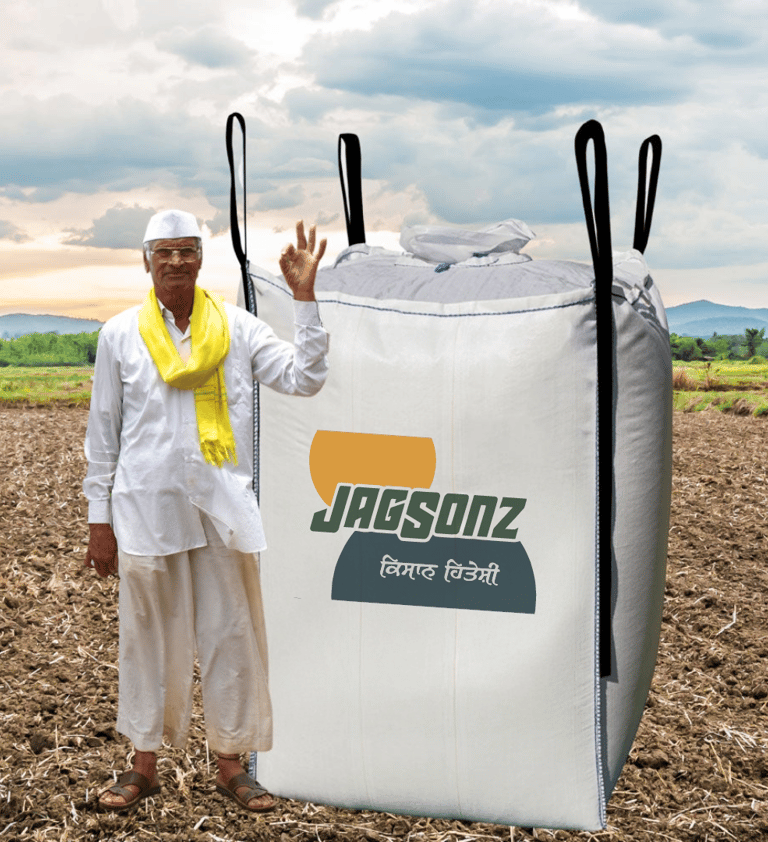
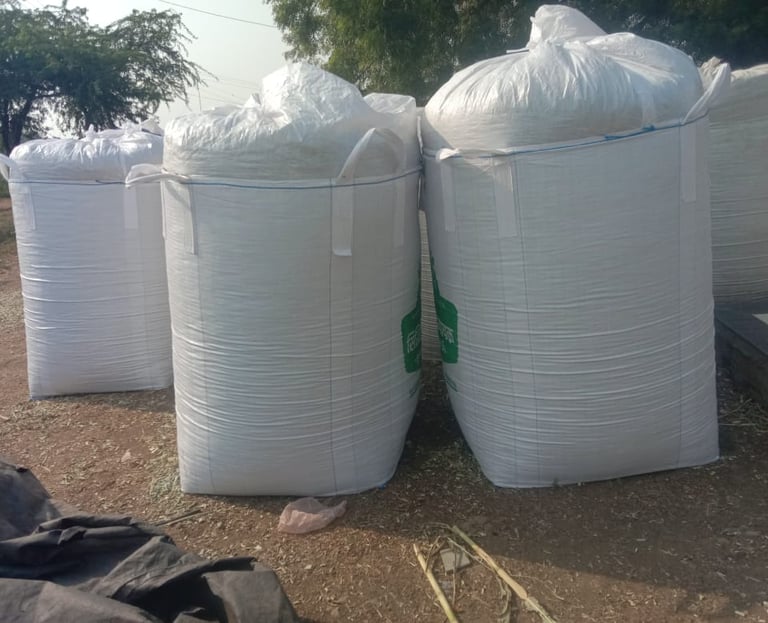
Silage bags are robust, airtight containers used in agriculture to store and preserve forage, grains, and other animal feed through a process of controlled anaerobic fermentation. They provide a cost-effective and flexible alternative to traditional silos or bunkers, helping farmers ensure a year-round supply of high-quality, nutrient-rich feed.
How Silage Bags Work
The primary function of a silage bag is to create and maintain an oxygen-free (anaerobic) environment.
Airtight Seal: Once filled with chopped green fodder, the bags are sealed tightly, and the air is removed through compaction, often using specialized bagging machinery.
Fermentation Process: The lack of oxygen promotes the growth of lactic acid bacteria, which convert plant sugars into lactic acid. This lowers the pH level of the contents, effectively pickling the fodder and preventing the growth of spoilage-causing aerobic bacteria, fungi, and insects.
Preservation: This process preserves the nutritional value, aroma, and moisture content of the feed for up to 12 months or more, even during dry seasons when fresh forage is scarce.
Key Benefits
Silage bags offer numerous advantages for modern farming operations:
Reduced Wastage: Minimizes spoilage and dry matter loss by protecting the feed from air and moisture exposure, which is a common issue with traditional open-pit storage methods.
Cost-Effectiveness: Eliminates the need for high capital investment in permanent infrastructure like concrete silos or bunkers, offering a low-cost storage solution suitable for all farm sizes.
Flexibility and Scalability: They are portable and can be placed on any clean, level, well-drained surface on the farm, and additional bags can be added as needed based on seasonal demands.
High Feed Quality: The controlled fermentation results in high-quality silage with improved digestibility and nutritional content, contributing to healthier livestock and better milk or meat production.
Pest and Weather Protection: The durable, often UV-stabilized material acts as a physical barrier against pests, rain, and solar radiation, maintaining a balanced internal temperature.
Materials and Types
Silage bags are available in a variety of sizes and materials to suit different agricultural needs.
Materials: They are commonly made from durable, multi-layered plastic polymers, primarily low-density polyethylene (LDPE) or polypropylene (PP).
Features: Many bags feature a white outer layer to reflect solar radiation and a black inner layer to block sunlight and maintain an optimal internal temperature for fermentation. They are often treated with UV stabilizers for longevity in outdoor storage.
Sizes and Capacity: Bags come in various capacities, from small 50 kg options that are easy to handle manually to large, long tubes capable of holding 100-250 tons of forage, filled with specialized machinery.
Sanjeev polypack
741 industrial area-B. gill road.Near moscow cycle. ludhiana 141003 Punjab
Contact
92355-92356
GST No: 03ADJPS8193G1Z6

© 2026. All rights reserved.